Join the Quarantine Art Club

The illustrator Carson Ellis is running art classes for adults and kids with her Quarantine Art Club on Instagram.

Every day she will have a different drawing assignment prompt to get your creative juices flowing, so after watching a couple of videos video clips, you can try it for yourself.

Here is the first assignment: Draw a self-portrait.


View this post on Instagram


Hello! I’ll be posting art assignments here every weekday morning when I can. They’ll be designed for kids and grownups alike. If you want to share them, you can use the hashtag #quarantineartclub. I’ll also provide individual hashtags for each exercise so we can see each other’s work. Here is your first assignment: DRAW A SELF-PORTRAIT Draw a picture of yourself from the shoulders up. Then draw a fancy frame around the portrait and write your name at the bottom in nice letters. Swipe to see a useful template. It will help you figure out how to draw a human face – how much space there is between all of its parts and what goes where. Some of the best portraits in the world do not follow these rules and you don’t always have to either. But for this assignment you do. We’re going to do it right. Swipe to see a video tutorial that will help this template make sense. (The green lines are just guides – you should draw them in pencil and erase them afterwards.) Draw on paper and – for everything but the pencil guide lines – use any art materials you want: pens, markers, paint, pencils. You can work in color or in black and white – it’s up to you. While you draw, look in the mirror and ask yourself these questions: What color are my eyes? What shape are they? Are my eyelashes light or dark? Long or short? What color and shape are my eyebrows? Are they thick or thin? Straight or arched? Is my nose skinny? Wide? Crooked? Does is turn up or down? What color is my skin? Do I have freckles? Moles? Scars? Birthmarks? Wrinkles? What color is my hair? Is it long, short, curly, straight? Is my mouth wide? Is it small? Are my lips full or thin? Can I see my ears? Or are they hidden? Sometimes it’s easiest to answer these questions by looking at other people and comparing your features to theirs. That can help you figure out what makes your face uniquely yours. Do this, but don’t make any judgements about how you look. Be like a scientist and study your face as objectively as you can. Okay, have fun! If you want to share or see other people’s self-portraits, use these hashtags: #quaratineartclub
#QACselfportrait

A post shared by Carson (@carsonellis) on

Read a poem a day

Poem-a-Day is the original and only daily digital poetry series featuring over 250 new, previously unpublished poems by today’s talented poets each year. U.S. Poet Laureate

You can sign up for a new poem in your inbox daily at poets.org

Learn to play the recorder

The recorder is a woodwind musical instrument that was popular as early as the 14th century. It produces a soft, flute-like sound. Compared to other instruments, the recorder is relatively easy to play, making it a great first instrument for kids or novice musicians. They come in many different colors and sizes to fit you. Recorders are a good stepping stone to harder blowing instruments that are held vertically, such as oboe or clarinet.

WikiHow has a very simple guide to get you started How to play the recorder

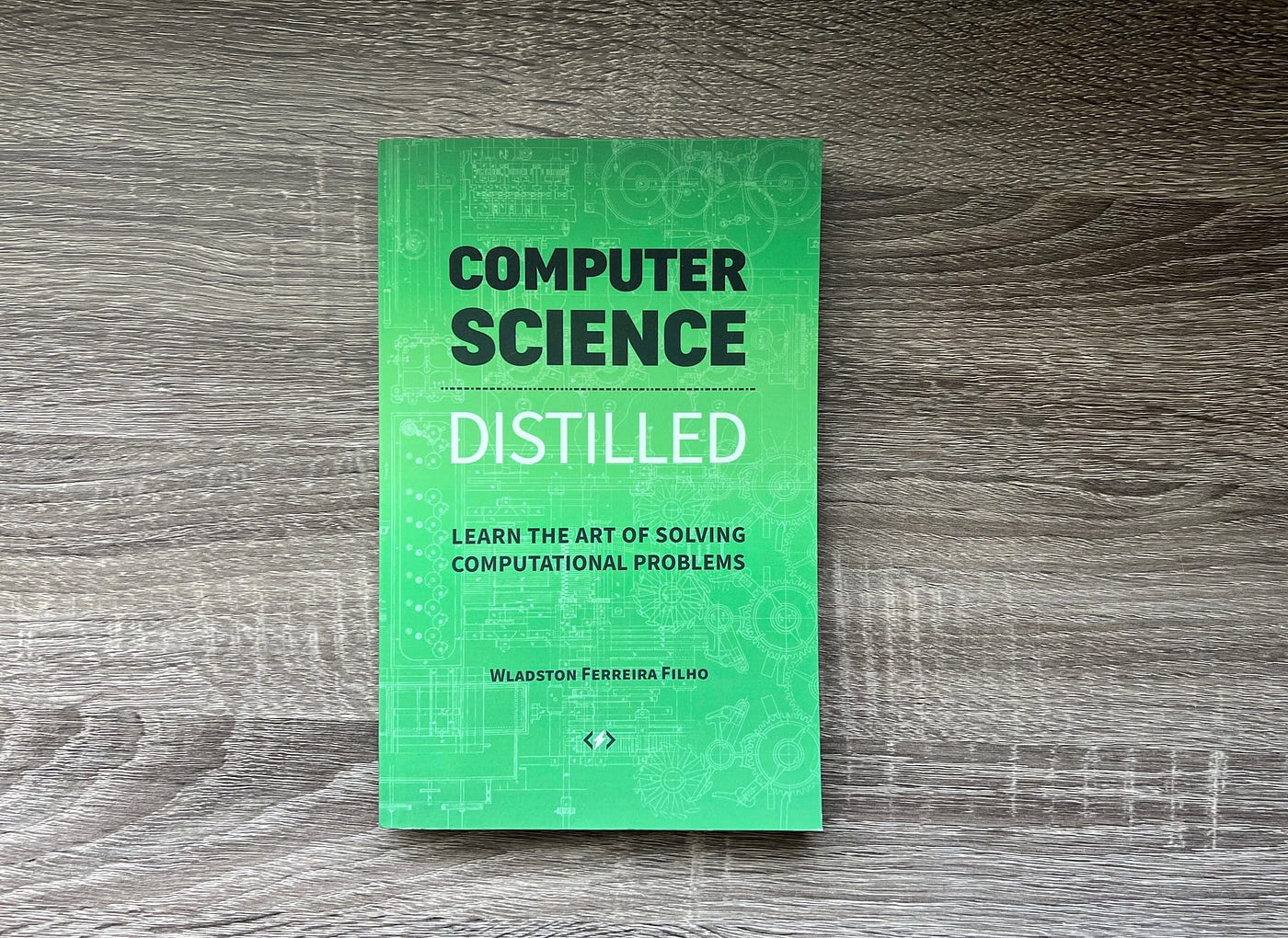
10 Books Data Scientists Should Read During Lockdown

“Data science is a field of study and practice that’s focused on obtaining insights from data. Practitioners of data science use programming skills, statistics knowledge, and machine learning techniques to mine large data sets for patterns that can be used to analyze the past or even predict the future.” (Source: DataQuest)

If you work with data, these books will help you keep active and learning

Personally, I love reading, so I thought I’d recommend some books I’ve read lately that might be useful or entertaining for people who work with data. Some of them are more technical, while some are more amusing, but I’m sure you will find your cup of tea here.

Read Arthur Mello’s article, 10 books data science should read during lockdown on Towards data science

Take a virtual tour of the Great Wall of China

As China’s most famous attraction, the Great Wall of China is an essential stop on all China tours. Commonly considered a wonder of the world, the Great Wall boasts a history of over 2,000 years and stretches more than 3,000 miles across several provinces of northern China, making it one of the most impressive ancient structures on the planet.

Explore the Great Wall of China on China Guide


Play Hidden Through Time

The Verge has a detailed article about this game, Hidden Through Time is a relaxing yet challenging puzzle game.

Hidden Through Time is a game where you locate hidden objects in a scene, similar to 2017’s Hidden Folks, the Where’s Waldo? books, and the puzzles inside the Highlights magazine at your childhood doctor’s office. It’s about as simple as a game could be: it presents you with some objects, animals, and / or people at the bottom of your screen, which you have to locate. Once you’ve found enough of them, you then move onto the next level.

Here’s the trailer.

Hidden Through Time isn’t free, but you can get it for $1.99 on iOS and $2.99 on Android.

View 3D animals in your own home

An article in 9to5Google, Google 3D animals: Which ones are available and how to use them explains what it’s all about.

At its I/O conference in 2019, Google announced that it would be adding augmented reality objects to Search. Over the year since, Google has a bunch of 3D animals you can view in Google Search using AR …

Google’s AR objects in search are incredibly easy to access. The objects are added to search in the belief that the easiest way to learn about something is to see it. By seeing things in augmented reality (AR), users can see the scale of an object and also details they might not notice from just a simple picture

Read the article for a lot more information and how to use your smartphone to view the 3D animals in your own –  but here’s their hands-on video.

Find out where the latest earthquakes have been

Earthquakes are happening all the time, all around the world.

To find out where the latest ones have taken place, go to EMSC-CSM and choose the region (map) and the timeframe.

Below is a screenshot of a recent view of the worldwide map showing the number and position of earthquakes in the previous 24 hours.

You an also subscribe to the RSS feed for constant updates, or download the app.